The Child Anxiety Clinic
Helping Your Child Navigate Anxiety with Confidence and Support

Understanding Childhood Anxiety
Anxiety is a natural part of life, and many children experience it from time to time.
However, for some children, these feelings can become overwhelming, impacting their daily activities, relationships, and overall well-being.
At The Child Anxiety Clinic, we specialize in helping children and their families understand, manage, and overcome anxiety. Our compassionate team offers evidence-based strategies to address anxiety at every stage of childhood, from early childhood fears and separation anxiety to school-related stress and social concerns in pre-teens and teens.
Is Your Child Struggling with Anxiety?
Signs of childhood anxiety can vary, but some common indicators include:
Excessive Worrying: Persistent worries about school, family, friendships, or
performance in sports or other activities.
Physical Symptoms: Complaints of stomach-aches, headaches, or other
physical discomfort without an apparent cause.
Avoidance: Avoiding specific places, activities, or social situations that may
provoke anxiety.
Sleep Difficulties: Trouble falling asleep or frequent nightmares related to
worries or fears.
Perfectionism: Fear of making mistakes and a need for reassurance, which can
affect their confidence and motivation.
Our Approach:
At The Child Anxiety Clinic, we believe in a supportive, tailored approach to address each child’s unique experiences and challenges with anxiety. We provide:
Personalized Assessments to understand each child’s unique needs and the
root causes of their anxiety.
Therapeutic Interventions such as Cognitive Behavioral Therapy (CBT) and
mindfulness techniques, proven to help children develop healthy coping skills.
Parent Support and Coaching to equip families with practical strategies to
support their child at home and foster resilience in everyday situations.
Our Services:
We offer a range of services to meet each family’s needs, including:
One-on-One Counselling for children, focusing on managing symptoms,
building coping skills, and improving self-confidence.
Family Therapy sessions to support family members in understanding and
helping manage childhood anxiety.
Workshops and Resources for parents, including tips on managing separation
anxiety, school anxiety, social fears, and more.
TYPES OF ANXIETY DISORDERS
Generalized Anxiety Disorder (GAD): Children with GAD experience ongoing, excessive worry about a variety of everyday situations like school, family, or future events. Symptoms often include restlessness, fatigue, trouble concentrating, and sleep disturbances. This constant worry can make it difficult for children to focus in school, enjoy hobbies, or relax, impacting their quality of life and social relationships.
Separation Anxiety Disorder: This involves intense fear of being separated from primary caregivers, leading to distress when away from loved ones. Symptoms include clinginess, nightmares, and physical symptoms like stomachaches when anticipating separation. It can make attending school and participating in social activities challenging, especially in younger children.
Social Anxiety Disorder (Social Phobia): Characterized by an intense fear of social situations where children feel they may be judged or embarrassed, social anxiety causes avoidance of interactions and may involve blushing, trembling, or sweating in social settings. This can lead to isolation, affecting friendships and social skill development.
Selective Mutism: Children with selective mutism are unable to speak in specific social situations (e.g., at school), despite speaking freely in more comfortable settings, like at home. This selective silence can hinder academic performance, social interaction, and self-esteem.
Specific Phobias: This is an intense, irrational fear of specific objects or
situations, such as heights, animals, or injections. Exposure to the feared
situation triggers immediate anxiety, often leading to avoidance. Phobias can limit activities, affecting the child’s experiences and routines.
Emetophobia: Emetophobia, or the severe fear of vomiting or seeing others vomit, is surprisingly common. Children who already tend to be anxious are more likely to develop it. It leads to fear of things they associate with vomiting. Emetophobia can have a serious impact on the child’s quality of life as much effort is invested in ensuring they are not sick.
Panic Disorder: Children with panic disorder experience sudden, intense
episodes of fear (panic attacks) with symptoms like a racing heart, dizziness, and a feeling of losing control. Panic disorder can lead to avoidance of places or activities to prevent an attack, restricting the child’s daily life and activities.
Obsessive-Compulsive Disorder (OCD): OCD involves unwanted, repetitive thoughts (obsessions) and behaviors (compulsions) that children feel driven to perform to relieve anxiety. Common compulsions include checking or washing, which can be time-consuming and interfere with daily activities, schoolwork, and friendships.


Therapeutic Approaches
A range of therapeutic approaches may be used, depending on the age of the child and the severity of their symptoms. The se can include:
Cognitive Behavioral Therapy (CBT): CBT is a well-established, evidence-based therapy that teaches children to identify and change negative thought patterns that fuel anxiety. By practicing healthier thinking and gradual exposure to feared situations, CBT helps children build resilience and reduce avoidance behaviours.
Exposure Therapy: A component of CBT, exposure therapy involves gradually and systematically facing feared situations in a controlled way. This approach helps children desensitize to anxiety-provoking situations, enabling them to build tolerance and confidence over time.
Acceptance and Commitment Therapy (ACT): ACT focuses on helping children accept their anxious thoughts and feelings rather than fighting them, while emphasizing engagement in activities that align with their values. Mindfulness techniques are used to help children observe and detach from their anxious thoughts, fostering resilience.
Family Therapy: Family therapy involves parents and other family members to address dynamics that may contribute to a child’s anxiety. This therapy provides families with tools to support the child, reduce accommodating behaviours, and build a supportive home environment.
Parent-Coaching: Parent Coaching supports parents in managing anxiety-related behaviors in young children through constructive and supportive interaction. This approach strengthens the parent-child bond, improves emotional regulation, and fosters a sense of security in the child.
Mindfulness-Based Therapies: Mindfulness techniques help children stay present, observe their anxious thoughts non-judgmentally, and focus on breathing and relaxation. By enhancing emotional awareness and regulation, mindfulness helps children feel more in control of their anxiety symptoms.
Clinical Hypnosis: Hypnosis helps children reach a relaxed, focused state, making them more receptive to therapeutic suggestions for managing anxiety. Hypnosis is especially helpful for reducing physical symptoms of anxiety, like headaches or stomachaches, through relaxation and guided visualization.
Eye Movement Desensitization and Reprocessing (EMDR): EMDR uses guided eye movements to help children process traumatic or anxiety-inducing memories in a controlled way, reducing their emotional impact. This therapy can be especially effective for anxiety rooted in past trauma.
SPACE Program
Supportive Parenting for Anxious Childhood Emotions (SPACE) Program:
SPACE is a parent-focused program designed to help parents support their child’s anxiety without reinforcing avoidance behaviors. SPACE teaches parents how to reduce accommodating behaviors and increase supportive responses, promoting independence and resilience in anxious children.
The SPACE Program can be very effective where children may be reluctant to participate in therapy sessions, as it is delivered by parents at home. More information
on this program is available at: https://www.spacetreatment.net/

MEET STEPHEN HAYES

Stephen Hayes is a registered child and educational psychologist. He has worked in various school settings for over 20 years. Stephen holds a master’s degree in psychology from the University of Melbourne, is a member of the Australian Psychological Society and a Fellow of the College of Educational & Developmental Psychologists. Stephen is also an accredited psychologist supervisor.
Stephen specialises in the diagnosis and treatment of anxiety disorders in children.
CONTACT
The clinic is located at 22 Dudley Street Eltham, VIC.
Parking is available in the car park directly across the road from the clinic.
Phone: 0418 332 006
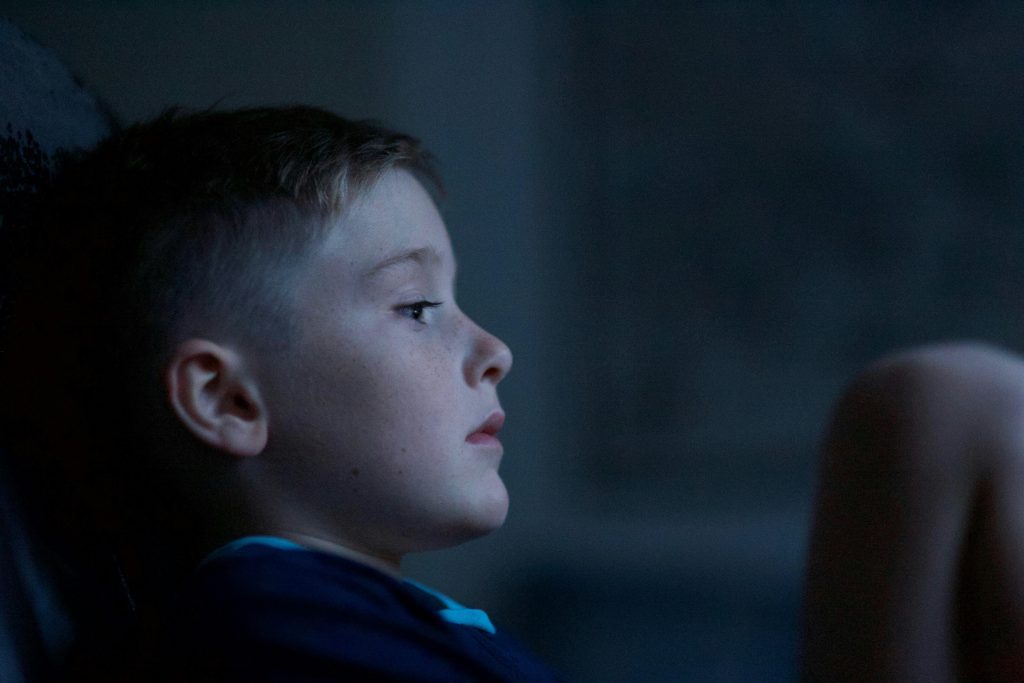
“For some children, these anxious feelings can become overwhelming, impacting their daily activities, relationships, and overall well-being.”